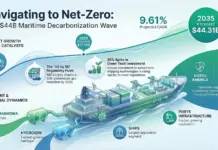
In 2024, the transportation logistics sector is evolving to sustain the pressure of meeting various sustainability targets owing to a global shift in environmental...
Modern logistics is undergoing a radical shift as additive manufacturing allows the transport industry to move from physical warehouses to digital inventories. By producing critical components on-demand, companies can significantly reduce the weight of parts, eliminate long-lead times for obsolete equipment, and maintain fleet availability with unprecedented precision. This evolution effectively bridges the gap between traditional manufacturing and the fast-paced requirements of contemporary global supply chains.
The rapid digitization of global infrastructure has necessitated a shift from centralized cloud processing to localized intelligence. By processing data at the source, edge computing in transport real time systems minimizes latency, enhances safety for autonomous vehicles, and optimizes urban traffic flow. This decentralized approach ensures that mission-critical decisions are made in milliseconds, providing the foundational architecture for the next generation of smart, connected mobility.
Modern logistics is undergoing a radical shift as additive manufacturing allows the transport industry to move from physical warehouses to digital inventories. By producing critical components on-demand, companies can significantly reduce the weight of parts, eliminate long-lead times for obsolete equipment, and maintain fleet availability with unprecedented precision. This evolution effectively bridges the gap between traditional manufacturing and the fast-paced requirements of contemporary global supply chains.
Last year, together with DRONEII, we conducted a Drone Barometer Survey to produce a free whitepaper with perspectives from the drone industry. The paper...

From Michelin Challenge Bibendum to Movin’On: a new leg in our collective journey towards sustainable mobility.
For almost 20 years, the Michelin Challenge Bibendum was...